The AI Product Designer
Step into the world of an AI-augmented product designer. Explore a typical day blending generative design tools, AI-powered code editors like Cursor and VS Code with agents, collaborative meetings, and human-centered decision-making.
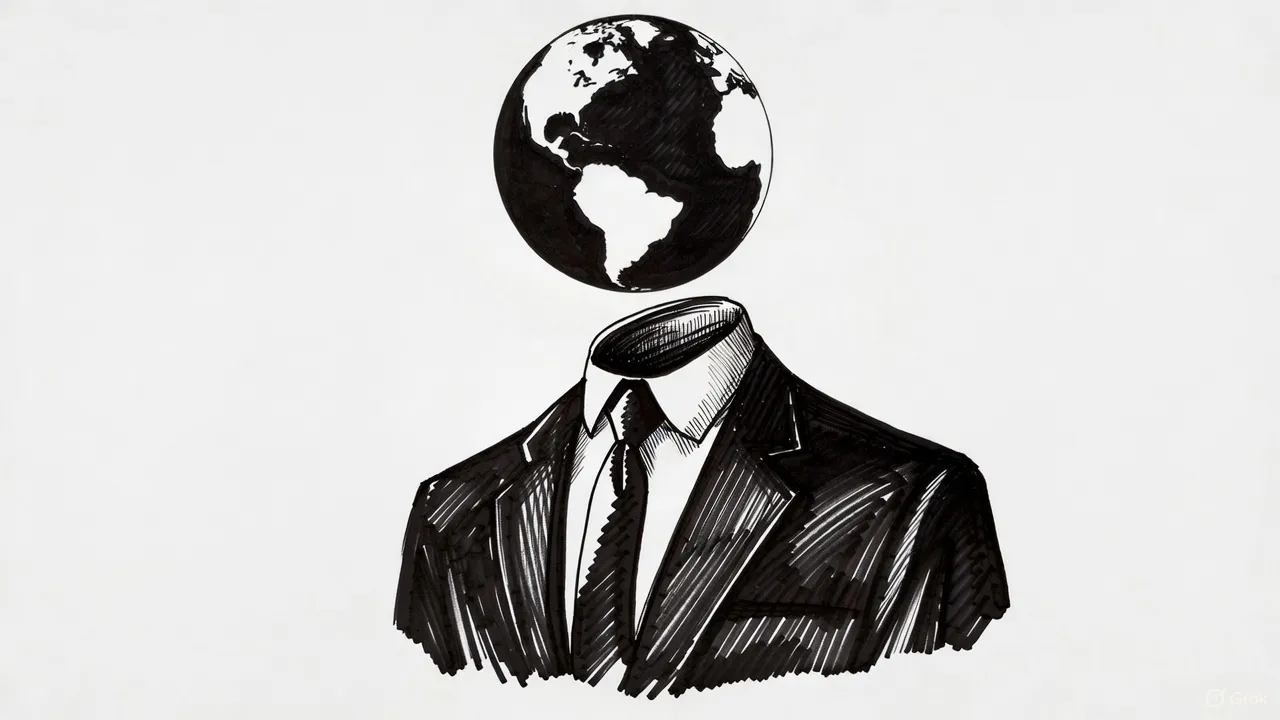
In an era where artificial intelligence amplifies human creativity, the role of the AI product designer has emerged as a dynamic fusion of traditional design skills and cutting-edge tech. These professionals leverage generative AI to accelerate workflows, ideate boldly, and craft intuitive, user-centered products—often bridging design and code with powerful AI-enhanced IDEs. Let’s follow a day in the life of an AI product designer in late 2025.
A Day in the Life: Morning Kickoff
The day typically begins around 8-9 AM with a review of overnight insights. An AI assistant summarizes emails, user feedback, and analytics from tools like Amplitude or PostHog. While sipping coffee, the designer opens Cursor—the AI-first code editor—to quickly prompt for initial component ideas or refactor yesterday’s prototypes.
Core Duties: Research and Ideation
Early focus is on empathy and exploration:
- Synthesizing user research with AI tools like Dovetail or Maze AI
- Generating personas and flows in Miro AI
- Prompting Galileo AI or Uizard for UI concepts, then pulling promising ones into Cursor for interactive tweaks
Tools of the Trade
The AI product designer’s toolkit blends no-code creativity with code-level precision:
- Figma AI & Framer AI: Rapid wireframing and visual prototyping
- Midjourney / Adobe Firefly: Mood boards and asset generation
- Cursor: AI-native IDE for turning designs into production-ready React/Next.js code, inline edits, and agent-driven refactoring
- Visual Studio Code with agents (e.g., GitHub Copilot, Kilo Code, Continue.dev): Deep codebase navigation, autonomous task execution, and multi-file reasoning
- V0, Relume, or Locofy: Design-to-code bridges feeding directly into Cursor or VS Code
- Maze, UserTesting AI: Automated insight synthesis and testing
Midday: Collaboration and Meetings
From 10 AM onward, meetings shape the flow:
- Daily stand-ups: Sharing AI-generated prototypes and Cursor-built components
- Design critiques: Reviewing variations from generative tools, refined in Figma or Framer
- Cross-functional syncs with engineers: Handing off Cursor-generated codebases or discussing agent-implemented features
- Stakeholder presentations: Demoing interactive prototypes, often live-coded or iterated in Cursor during the call
Tools like Otter.ai or Fireflies provide real-time transcription and action items.
Afternoon: Iteration and Implementation
Deep work resumes post-lunch:
- Refining AI outputs in Figma, then exporting to Cursor for functional code
- Running agent tasks in VS Code (e.g., “Implement dark mode across components”)
- Testing immersive prototypes in Vision Pro or Quest for spatial products
- Conducting ethical audits: Bias checks and accessibility scans
General Duties
Daily responsibilities include:
- Mastering prompt engineering across design and code tools
- Bridging design-engineering gaps with production-ready handoffs
- Mentoring teammates on AI workflows
- Staying current with emerging agents and models
Future Perspectives
As AI agents grow more autonomous, designers evolve into orchestrators—directing multi-tool workflows while preserving human empathy and strategic vision.
Challenges and Solutions
- Risk of over-reliance: Countered by deliberate human refinement
- Rapid tool evolution: Addressed through continuous experimentation
- Ethical integration: Prioritized via inclusive testing and bias audits
Looking Ahead
The AI product designer role is transforming creativity: faster cycles, seamless design-to-code, and deeper user insight. Success lies in treating AI as a powerful collaborator while anchoring decisions in human judgment.
The Road Forward
Thriving demands:
- Fluency in AI-native IDEs like Cursor and agent-enhanced VS Code
- Strong prompt craft across modalities
- Emphasis on uniquely human skills: Empathy, ethics, narrative
- Adaptability to an ever-evolving tool landscape
The AI-augmented design era is accelerating, unlocking potential for products that are innovative, intuitive, and profoundly impactful. Together, we can shape experiences that feel both cutting-edge and deeply human.
Let’s harness these tools to design the extraordinary.