Big Energy Labubu, Roblox Brain Rot Games, and Our Future
From a product designer's lens: The parallel worlds of Labubu's tangible 'big energy' collectibles and Roblox's explosive 'Steal a Brainrot' phenomenon reveal our era's battle with digital brain rot—and what it means for designing joyful, meaningful experiences ahead.
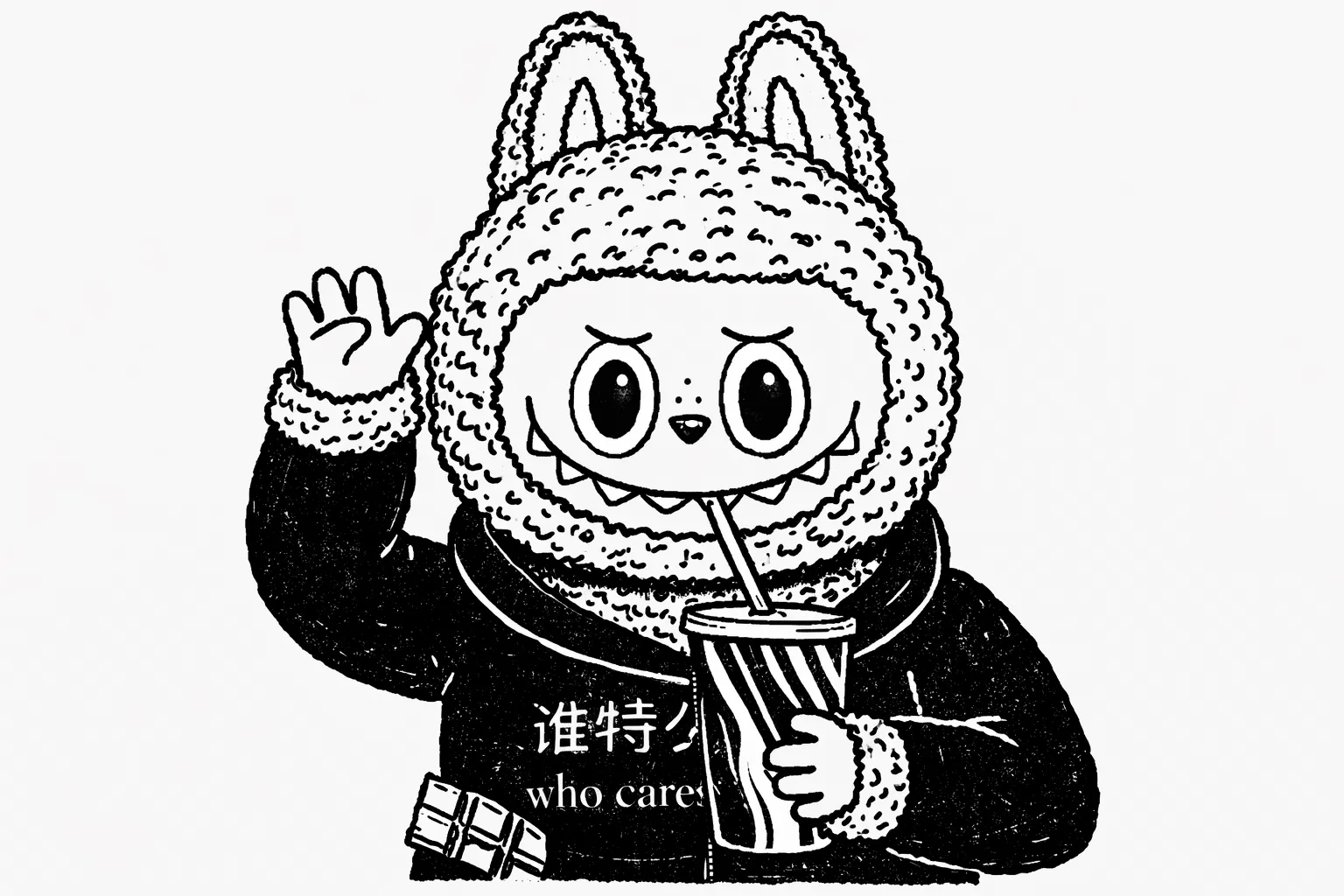
In an era of fractured attention and endless digital stimulation, two phenomena dominate youth culture: Pop Mart’s Labubu “Big Into Energy” toys and Roblox’s “Steal a Brainrot” empire. As a product designer, I’ve seen how both tap into the same craving for escape from “brain rot”—yet one offers tactile joy, the other addictive chaos. What do they reveal about our future?
Labubu: Tangible Big Energy in a Digital World
Labubu’s colorful, emotional plush pendants exploded as adults sought physical talismans of positivity—Love, Happiness, Luck. Blind boxes fuel anticipation, rarity drives community, and huggable design delivers instant comfort. It’s “big energy” made manifest: A counter to digital numbness through touch and collection.
Roblox Brain Rot: The Digital Dopamine Machine
Meanwhile, millions of American children (and beyond) are hooked on “Steal a Brainrot”—2025’s Roblox juggernaut peaking at 25 million concurrent players. Players buy, evolve, and steal absurd AI-generated “brainrot” characters (inspired by Italian memes like Tralalero Tralala). It’s capture-the-flag meets tycoon: Defend your base, raid others, rebirth for multipliers.
Viral meltdowns of kids crying over stolen rares highlight the intensity—dopamine from progression, frustration from loss. Other titles like Brainrot Evolution and Find the Brainrot amplify the genre, turning “brain rot” slang into gamified obsession.
The Shared Thread: Escaping Brain Rot
“Brain rot”—2024’s Word of the Year—describes mental fog from low-quality digital content. Both Labubu and Roblox brain rot games are responses: One physical and restorative, the other hyper-digital yet ironically named after the problem it exacerbates.
Design-wise, successes include:
- Scarcity and surprise for engagement
- Collectibility fostering identity
- Emotional hooks (positivity themes or meme absurdity)
But risks loom: Addiction, meltdowns, predator concerns on Roblox; consumerism and waste with toys.
A Designer’s View on Our Future
These trends signal Gen Alpha’s reality: Overstimulated yet craving connection. Future products must bridge digital-physical divides thoughtfully:
- Hybrid experiences blending Roblox chaos with Labubu tactility
- Sustainable, meaningful collectibles over endless grinds
- Designs promoting mindfulness amid dopamine loops
- Ethical safeguards in kid-targeted platforms
Looking Ahead
Labubu and Roblox brain rot illuminate our duality: Yearning for big energy while drowning in rot. As designers, we can steer toward joy that’s grounding, not fragmenting.
The Road Forward
Prioritize:
- Balanced dopamine with real-world anchors
- Inclusivity and safety in youth products
- Creativity over exploitation
- Human needs in an AI-meme world
In this brain rot era, the winning designs will heal as much as they entertain. Let’s create futures with energy that’s truly big—and sustainable.
What escapes brain rot for you—Labubu charms or Roblox raids? Share below.