The Birth of User-Centered Design: Lessons from Three Mile Island
Exploring how the 1979 Three Mile Island nuclear accident exposed critical flaws in interface design and catalyzed the rise of user-centered design, pioneered by Don Norman. Discover the enduring principles shaping safer, more intuitive systems today.
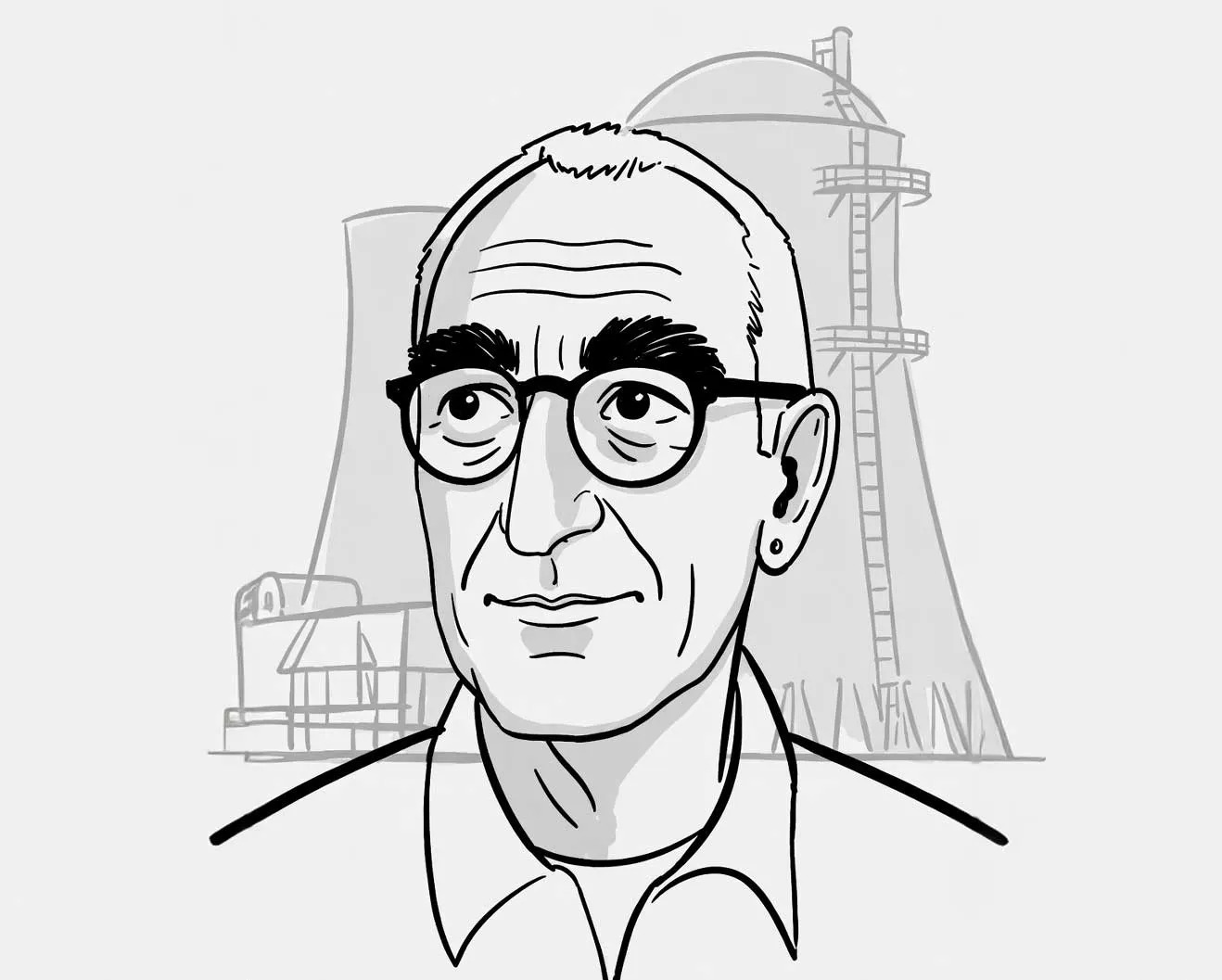
In an era where complex systems demand flawless human interaction, the 1979 Three Mile Island accident served as a pivotal wake-up call. Let’s explore how design failures in a nuclear control room sparked the formal birth of user-centered design and continue to influence intuitive, error-resistant innovations.
The Three Mile Island Catalyst
The nuclear industry was undergoing rapid expansion when a partial meltdown at Three Mile Island Unit 2 on March 28, 1979, revealed profound vulnerabilities. What began as a minor mechanical failure escalated due to confusing interfaces and mismatched operator expectations, highlighting the urgent need for designs that prioritize human cognition.
Key Insights from the Disaster
Control Room Design Flaws
The accident exposed critical issues in human-machine interfaces:
- Overwhelming arrays of alarms and indicators
- Poor feedback and visibility of system status
- Misleading mappings between controls and actions
- Hidden critical information behind panels
Human Factors in Crisis
Operators faced immense challenges:
- Conflicting signals and ambiguous readings
- Pressure relief valve indicator errors
- Lack of intuitive system overviews
- Training mismatched with real-world interface demands
Impact on Industry
Nuclear Safety Reforms
The incident prompted sweeping changes:
- Enhanced operator training programs
- Improved emergency response protocols
- Human factors engineering integration
- Control room retrofits for better usability
Birth of User-Centered Design
Cognitive scientist Don Norman, brought in to investigate, famously noted the interfaces “could not have been more confusing if they had tried.” His work shifted blame from operators to systemic design flaws, formalizing user-centered principles.
Don Norman’s Pioneering Role
As a key investigator and advocate, Norman championed designing for human needs:
- Coined “user-centered design” in his 1986 book
- Popularized concepts like affordances and signifiers
- Authored the landmark “The Design of Everyday Things”
- Founded influential firms advancing human-centered approaches
Future Perspectives
The legacy of Three Mile Island and Norman’s insights fuels ongoing innovation:
- AI-assisted intuitive interfaces
- Error-tolerant system designs
- Humanity-centered approaches for complex technologies
- Proactive human factors in emerging fields like autonomous systems
Challenges and Solutions
Modern design still grapples with:
- Increasing system complexity
- Cognitive overload in high-stakes environments
- Balancing automation with human oversight
- Ethical considerations in AI-driven decisions
Solutions emerge through iterative testing, inclusive research, and Norman’s enduring frameworks.
Industry Leadership
Design Pioneers
Figures like Don Norman set ambitious standards:
- Emphasis on visibility and feedback
- Designing for error prevention
- User research and iterative prototyping
- Cross-disciplinary collaboration
Broader Impact
Organizations worldwide adopt these principles:
- Enhanced safety in aviation and healthcare
- Intuitive consumer products
- Regulatory mandates for human factors
- Educational programs in UX and cognitive engineering
Looking Ahead
The future of design is inextricably tied to understanding human limitations and strengths. As technologies grow more sophisticated, user-centered principles will drive safer, more empowering innovations. The question isn’t whether we’ll prioritize people in design, but how boldly we’ll apply these lessons to tomorrow’s challenges.
The Road Forward
Advancing user-centered design requires:
- Ongoing research and adaptation
- Interdisciplinary global efforts
- Policy support for human factors
- Education empowering new generations of designers
The evolution sparked by Three Mile Island and championed by Don Norman is far from over, with boundless potential ahead. Together, we can create systems where technology serves humanity intuitively and reliably.
Let’s honor this legacy by designing a future centered on people, preventing disasters through empathy and insight.